

News about layoffs (job cuts) is becoming common. Not just domestically but also worldwide.
Previously, the pandemic was to blame for the layoffs. Moving forward 2 years post-recovery, there is more negativity than positivity around employment.
Is this the beginning of structural shift in employment, rather than supply-demand issue?
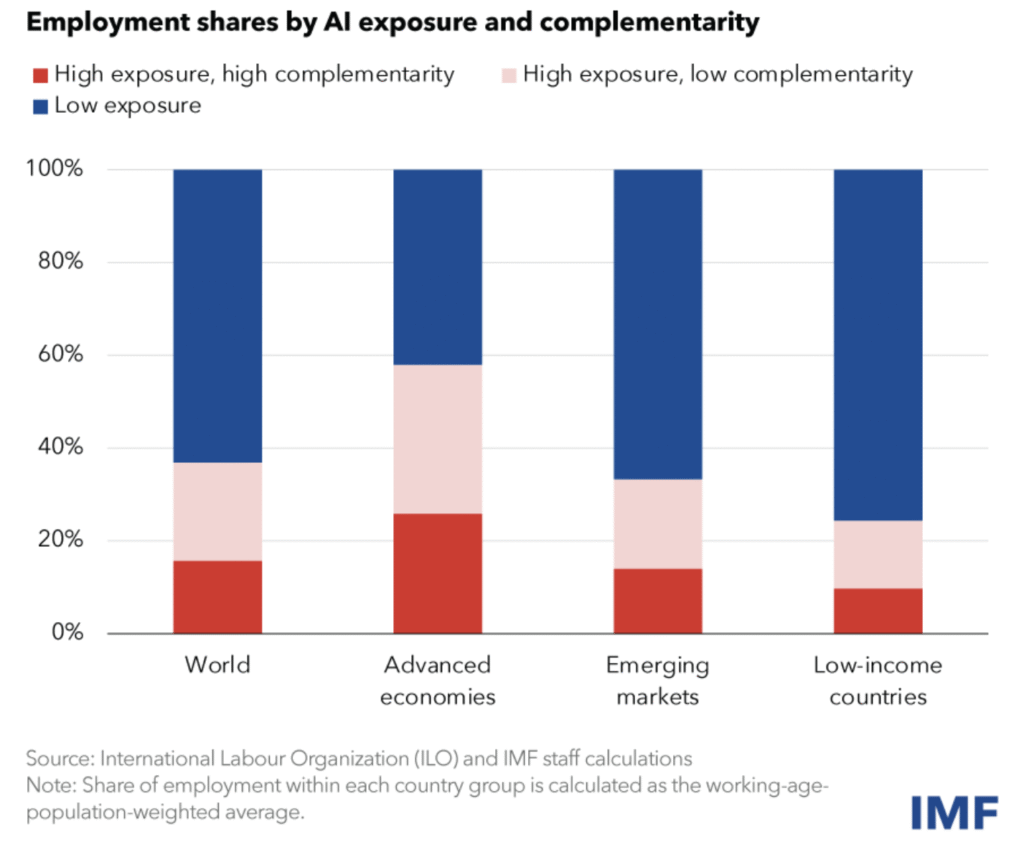
Artificial Intelligence (AI)
Previously, technology (especially industrial technology) affected many blue-collar workers.
Now, the booming AI industry is starting to affect white-collar workers, especially those from advanced economies.
Skills Mismatch
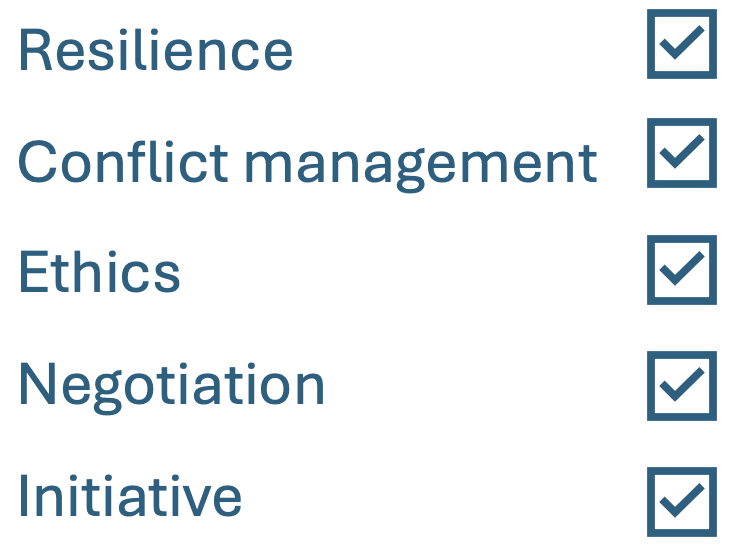
Increasingly, there is disparity between skills learned in academic institutions and actual skills required to perform in workplace.
In other words, future workforce is not necessarily equipped with the right skills for jobs available.
As well, soft skills are gradually becoming pre-requisites for job readiness.
Trade War
Cross-border tariffs disrupt the supply-demand balance. It may take years for Businesses to move their manufacturing facilities to new low-tariff countries.
Those affected are not only the factories, but also those from the supply-chain (e.g. raw materials, feeder & transit ports, etc).

Subsequently, employment in these areas will be adversely affected from the shifts in supply-chain.
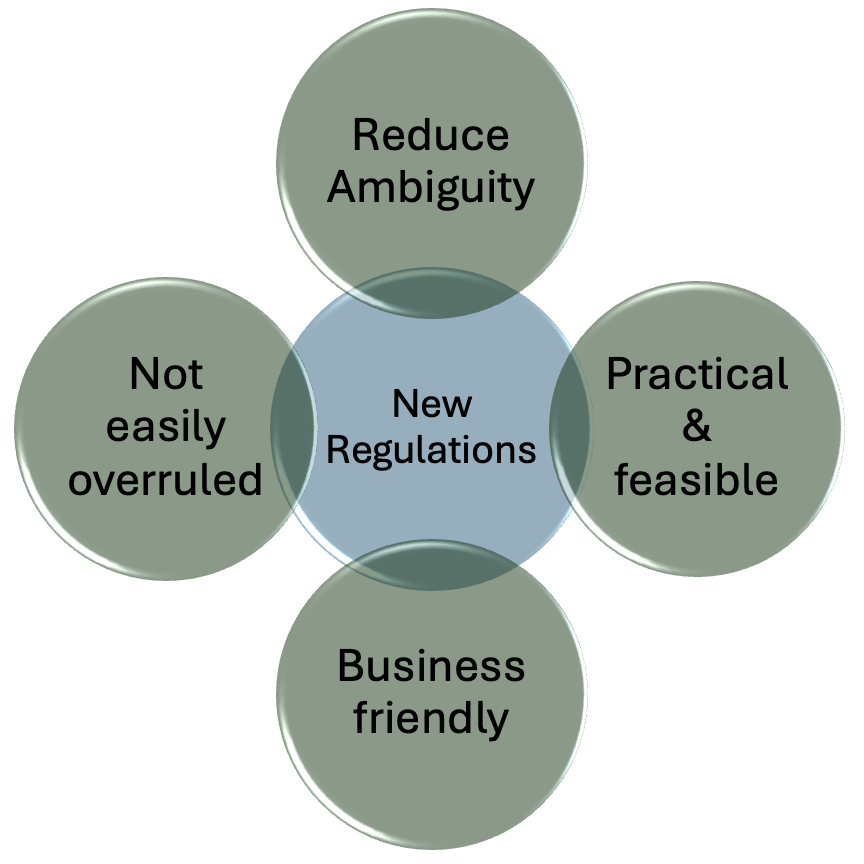
New Regulations
Dynamic change in the economy can make the old regulations obsolete.
On the other side, constantly revising regulations (and introducing new regulations) can impede job creation. Businesses (small and large) require sheer certainty for their business models to work and sustain over time. Unnecessary regulations tend to increase cost and complexity.
Obviously, there are some new regulations that had to be introduced, noting some principles to adhere to.
Some argue that nothing needs to be done, eventually things will balance out (e.g. people will upskill themselves). However, in a macro scale, those countries that act more will eventually gain bigger slice of new employment compared to the ones that do nothing.
Disclaimer: NOT FINANCIAL / INVESTMENT ADVICE. This article is of writer’s personal opinion ONLY. Any information contained here is for education and informational purpose only. Readers should seek other sources or professional advice for further clarification as deemed necessary.